Ultimate Guide to Expert Tree Care: Tips from Professional Arborists
Ever stopped to marvel at the towering giants we call trees and wondered what keeps them so majestic and healthy? Trees are not merely landscape features; they are integral parts of our ecosystem and essential to our well-being. To delve into the intricacies of tree care, especially those essential practices curated by certified professionals, can feel like opening a treasure chest of nature's secrets. In this post, we unwrap the wisdom from expert arborists, guided by their invaluable insights on essential tree care practices that can transform your greenery into a thriving haven.
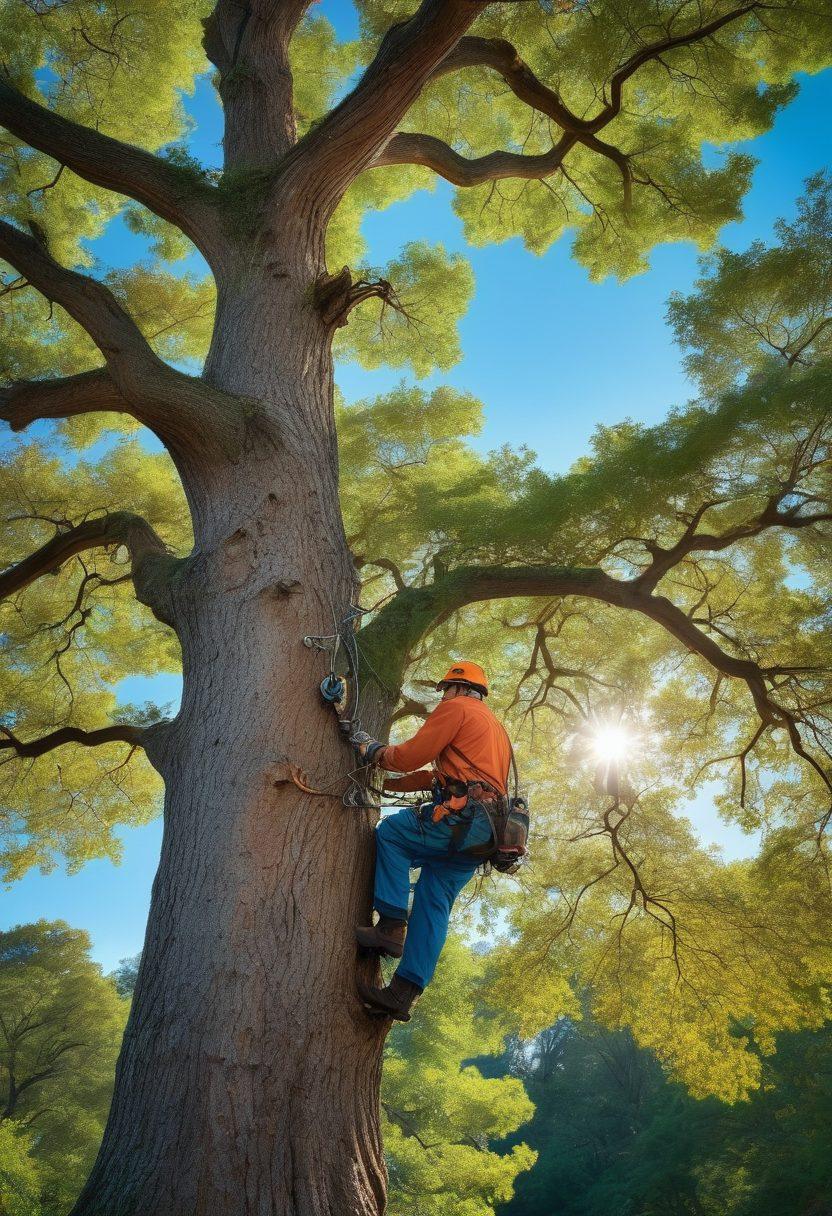
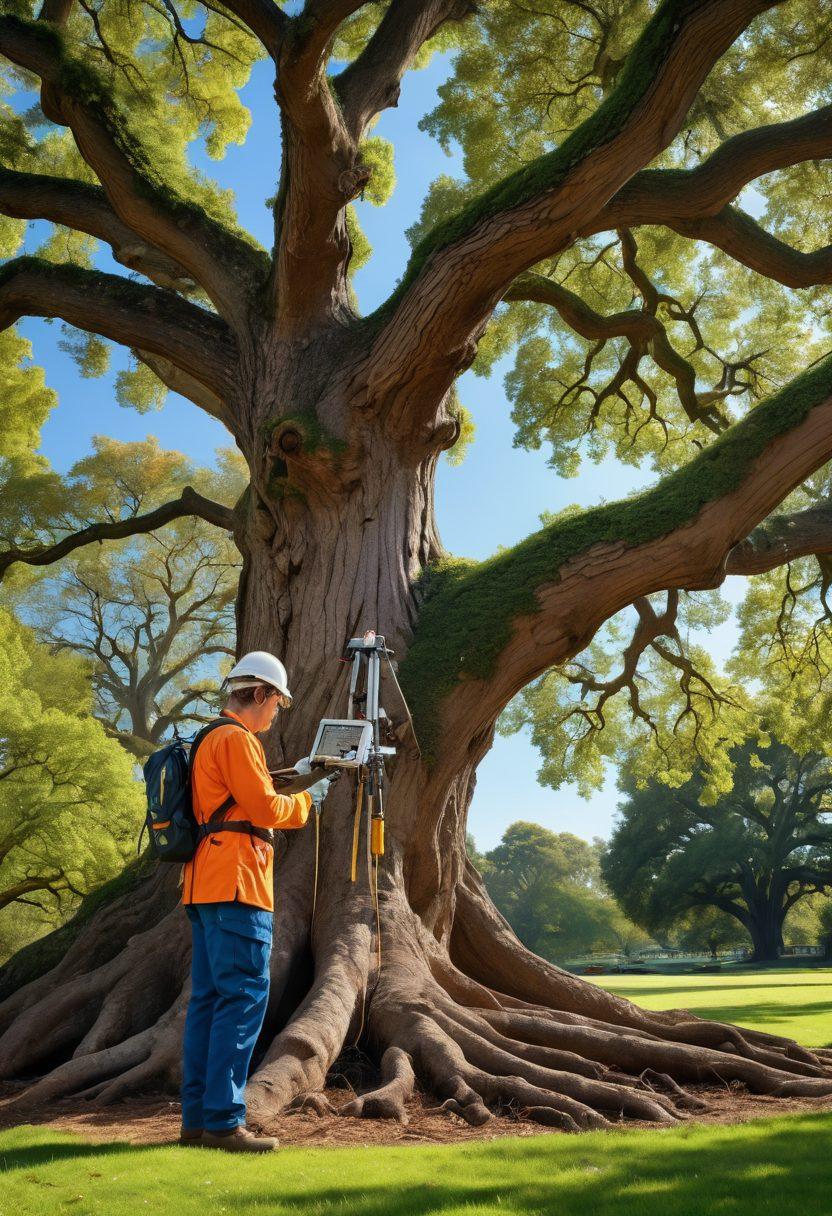
One of the initial steps to comprehensive tree care is understanding the importance of regular tree inspection. Certified arborists emphasize that routine checks can catch early signs of tree disease and deterioration before they become unmanageable problems. During a tree inspection, an arborist uses their expertise to look for symptoms such as unusual leaf discoloration, abnormal growths, or pest infestations. This practice not only ensures tree health but also contributes to the overall safety of your property. So, when was the last time you had a professional look at your backyard trees?
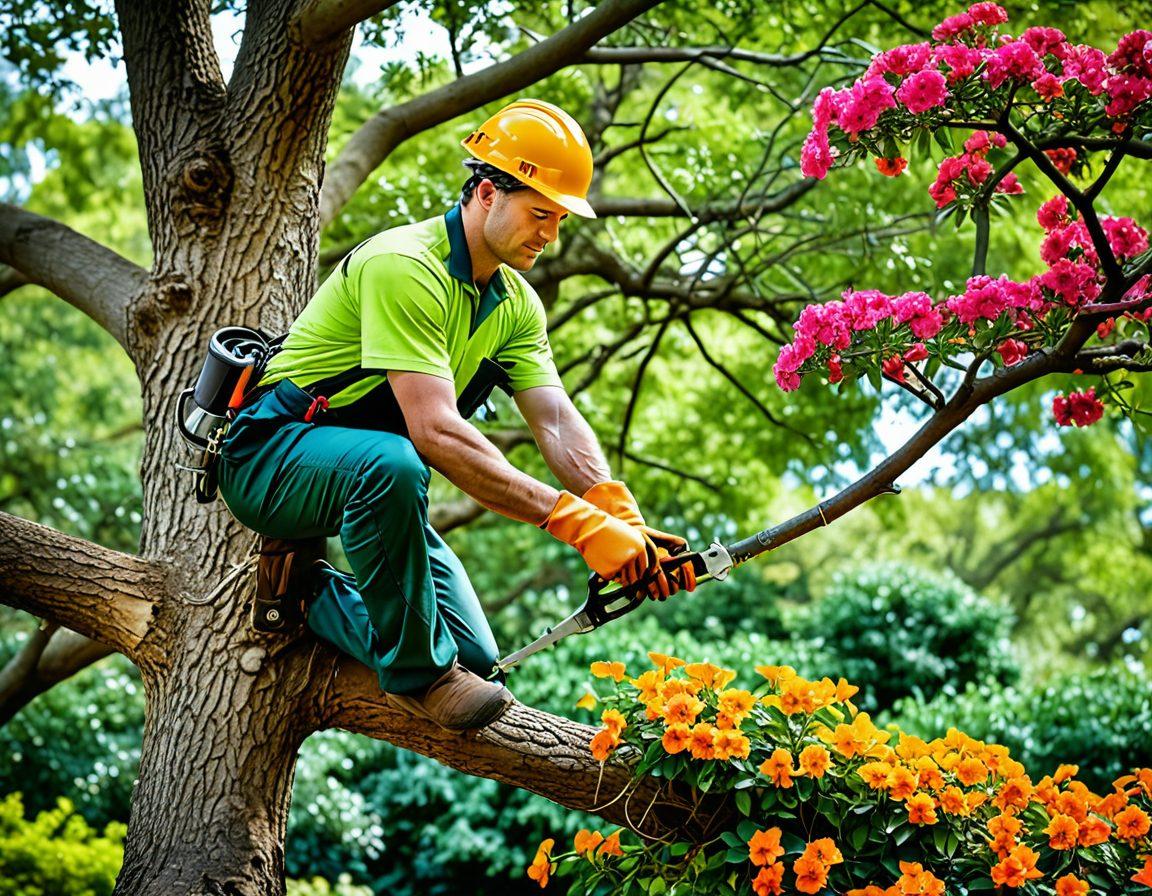
Tree pruning, another cornerstone of expert tree care, is about much more than keeping your trees looking their best. It's a crucial part of maintaining their health and ensuring safety. Certified arborists recommend tree trimming to remove dead or diseased branches, thus preventing the spread of pathogens and damage from falling limbs. However, improper tree cutting can do more harm than good. This is where the precision of tree services becomes evident, as a skilled arborist knows exactly which branches to prune and when to foster optimal growth and strength.
In the complex world of tree care, tree fertilization stands out as a vital practice for thriving foliage. Trees, much like any other living organism, require specific nutrients to grow properly. An expert tree consultation often includes plant health care advice geared towards tailor-made fertilization schedules that reflect the unique needs of your landscape. Balanced fertilization promotes robust root development and enhances a tree's ability to fight off diseases and pests. For anyone serious about landscape management, understanding and implementing proper tree fertilization can make a monumental difference.
Tree planting and preservation also demand a nuanced understanding far beyond simply digging a hole and placing a sapling. Arborists play a crucial role in ensuring newly planted trees grow into strong, resilient specimens that enhance your landscape for generations. Moreover, they offer guidance on tree cabling and tree bracing techniques, essential for supporting weaker trees and mitigating tree hazard assessment concerns. By integrating these practices with regular maintenance and tree risk assessment, tree experts help create a balanced and sustainable environment. Ready to bring expert arborist insights into your own backyard? Start with these essential steps and watch your landscape flourish.
Maintaining Tree Health: Professional Tips for Pruning, Trimming, and More
Maintaining the health and longevity of trees in your yard or landscape is paramount to ensuring a vibrant and thriving environment. Trees provide shade, beauty, and even enhance property value, making their upkeep a crucial aspect of landscape management. Tree care isn’t merely about aesthetics; it’s about ensuring your trees remain healthy and safe. Through the insights of tree experts and professional arborists, we'll delve into some essential tree care tips, ranging from tree pruning and trimming to expert advice on tree maintenance. So, let’s plant the seeds of knowledge and grow our understanding of proper tree care.
One of the primary elements of tree care is tree pruning. Regular pruning not only maintains the shape and appearance of the tree but also promotes better air circulation and sunlight penetration, essential for plant health care. According to tree experts, pruning should ideally be done during the tree’s dormant season. 'Think of pruning as a haircut for your tree,' says John, a seasoned arborist. 'But unlike human hair, it’s crucial to know when, where, and how to prune to avoid harming the tree.' Knowing the right techniques and timing can mean the difference between a thriving tree and one that's struggling for survival.
Tree trimming and tree cutting also play significant roles in maintaining tree health. Experienced arborists recommend regular trimming to remove dead or diseased branches, which can otherwise become hazardous. For instance, during a tree inspection, a trained arborist can identify potential risks that an untrained eye might miss. Tree hazard assessment is vital, especially during storm seasons when weakened branches are more likely to fall. Engaging in professional tree services not only ensures that the right branches are trimmed but also that the tree structure remains sound, avoiding unnecessary tree removal.
In addition to trimming and pruning, tree cabling and bracing are also crucial interventions for tree preservation. These techniques involve installing support systems to help trees withstand strong winds or the heavy weight of their own branches. Tree bracing and cabling are part of the broader spectrum of tree maintenance that an arborist might recommend following a comprehensive tree assessment. 'Think of cabling as a safety belt for your tree,' explains Sarah, a professional arborist. This preventive care helps to prolong the life of mature trees, ensuring they remain a steadfast part of your landscape for years to come.
Lastly, it’s important not to overlook the role of proper tree fertilization and holistic plant diagnostics in ensuring that your trees remain lush and green. Environmental factors like soil quality, water availability, and exposure to pests and diseases can impact tree health. Regular tree consultations and landscape management services provided by tree experts can help diagnose and address these issues promptly. Consider tree disease diagnosis as an annual health check-up for your trees. By investing in comprehensive tree care, you’re not just preserving the beauty of your yard but also contributing to a healthier, more sustainable environment. So, the next time you think about your landscape, remember that professional tree care goes a long way in maintaining a thriving, beautiful, and safe outdoor space.
Expert Tree Risk Assessment and Hazard Management for a Safer Landscape
Trees are the crown jewels of any landscape, adding beauty, shade, and value to properties. However, they also come with their own set of risks and hazards. How can you ensure a safer and healthier environment for both your trees and the people around them? Expert tree risk assessment and hazard management is the answer. This essential service involves understanding potential threats and taking proactive steps to mitigate them. Whether you're a homeowner or a property manager, having professional arborists assess your trees can make all the difference.
Every tree has its quirks—some might look sturdy but may have hidden structural issues, while others might be overgrown and encroaching on power lines or property. That's where a thorough tree inspection comes into play. ‘A stitch in time saves nine’ is perhaps the best way to describe the importance of early intervention through tree care services. An arborist performs a detailed risk assessment to identify weak spots or potential dangers. Not only can this prevent accidents, but it can also save you from costly emergency tree removal down the line.
But what exactly does a tree risk assessment involve? First, the arborist will examine the tree's overall health, looking for signs of decay, disease, or pest infestation. This is where tree disease diagnosis and plant health care come into play—identifying issues early can lead to effective treatments like tree fertilization and shrub care. Arborists also look at the tree’s structural integrity, assessing the trunk, roots, and branches for stability. This often involves employing techniques like tree cabling or tree bracing to support weaker limbs, ensuring they don't become hazards during storms.
Tree pruning, tree trimming, and tree cutting are more than just aesthetic choices—they're essential aspects of tree maintenance. Controlled pruning can help reduce the risk of falling branches, while promoting the tree's growth and health. When done correctly, these methods provide a balance that helps in both the short and long term. ‘Prune in May for a holiday display,’ is an old saying that highlights the importance of seasonal care. Tree consultation with a professional can guide you on the best times and methods for these practices, ensuring your landscape remains both beautiful and safe.
Beyond individual tree care, professional landscape management services can offer a holistic approach to your property's plant life. If you’re thinking of new tree planting, arborists can recommend species that are both beautiful and safe for your environment. These experts offer invaluable tree care advice tailored to your specific needs, providing a robust plan for ongoing tree maintenance and plant diagnostics. So, whether you’re dealing with a towering oak or a newly planted sapling, expert tree risk assessment and hazard management can fortify your landscape, enhancing both its beauty and safety.